Back to the product list

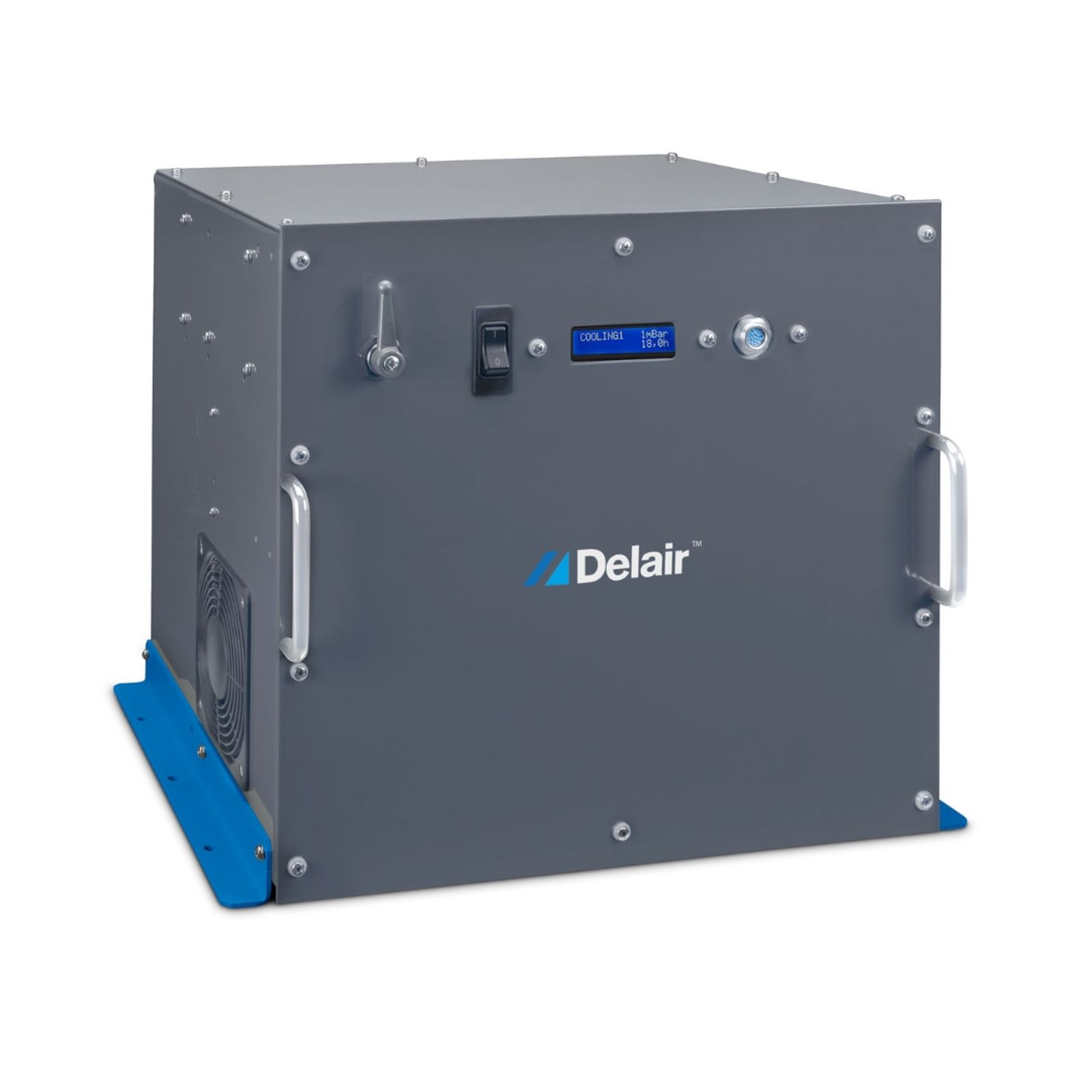
Waveguide Dryers GD-1101-19"-SNMP Series

Dry air for networks, cables and signals; waveguide dryer for telecom and radar installations.

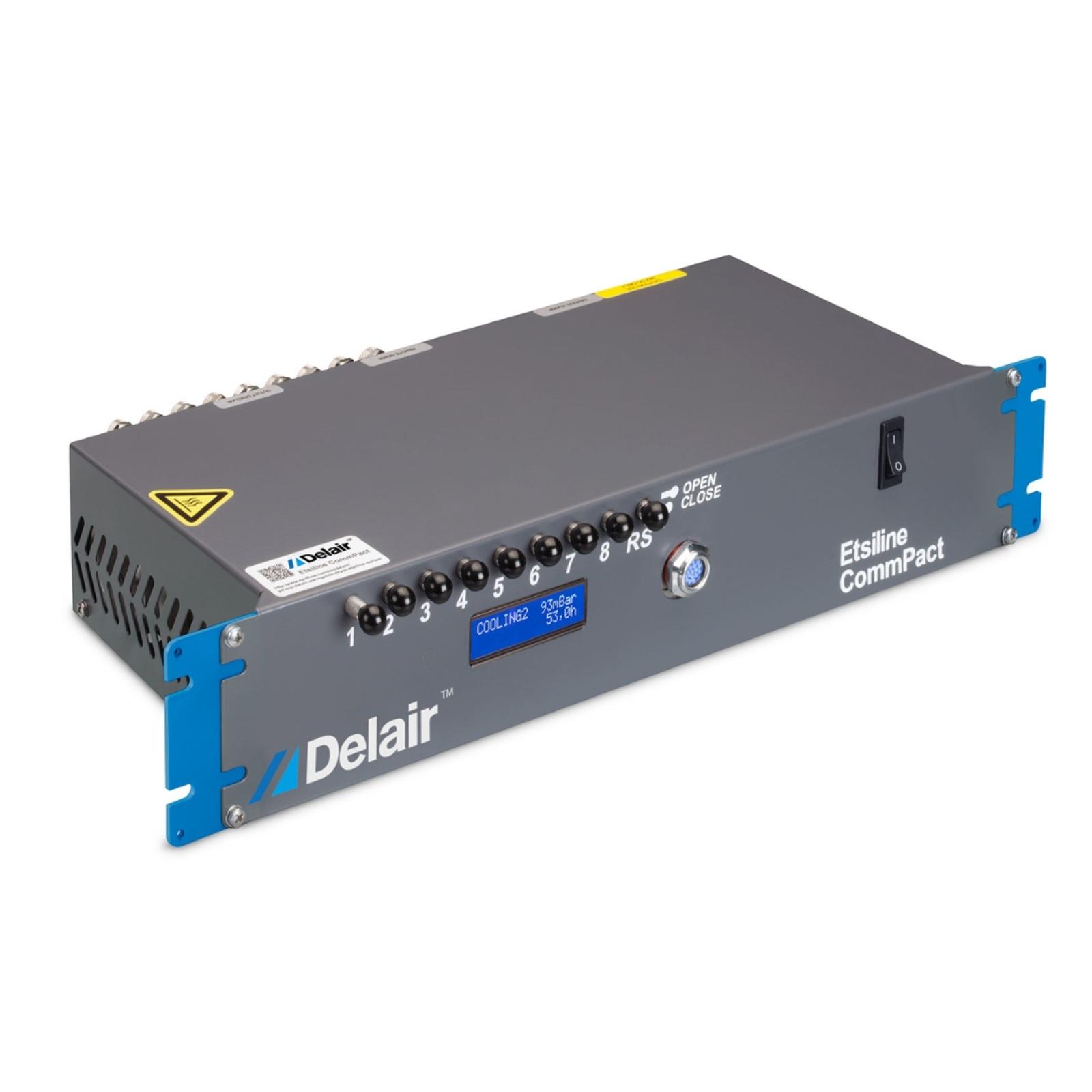
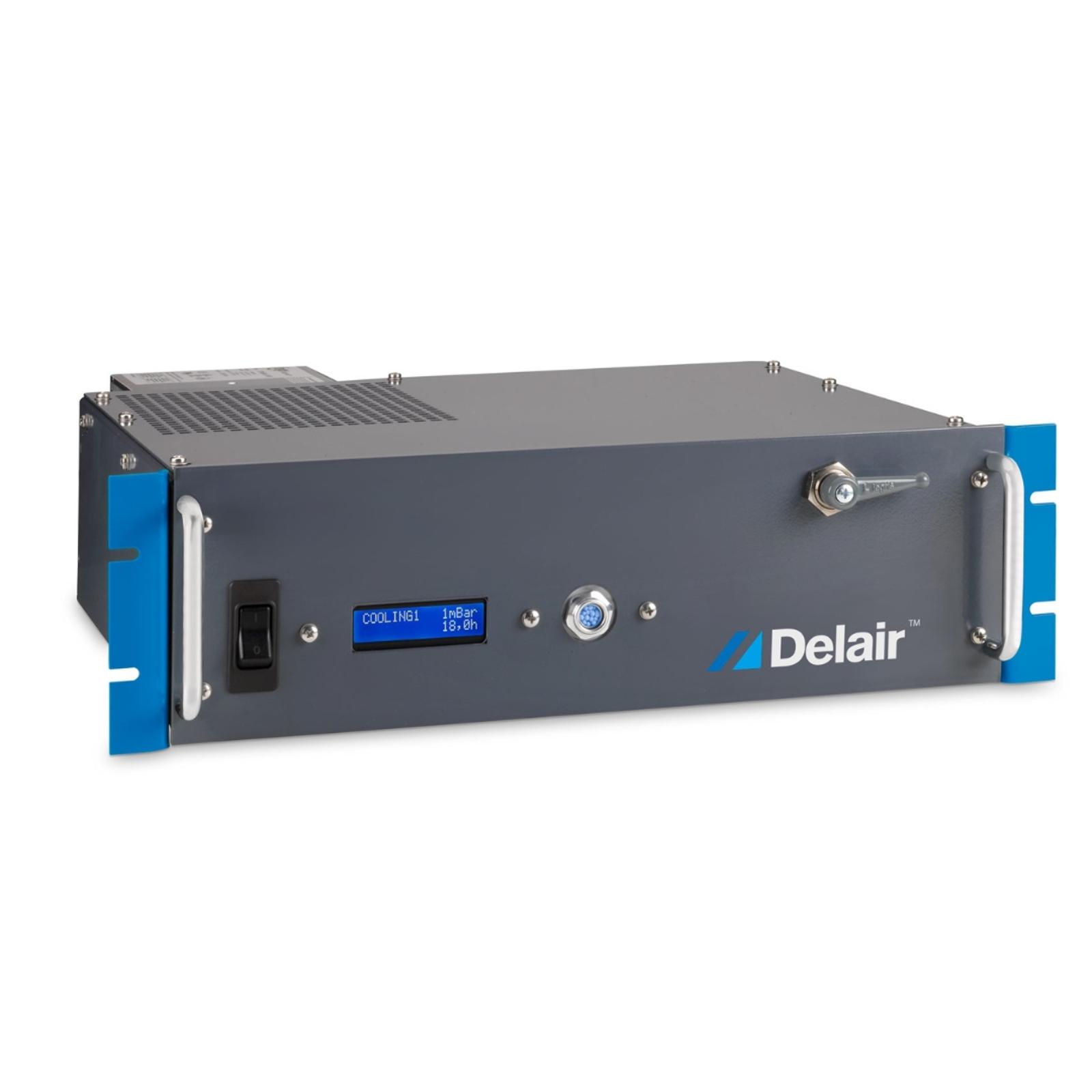
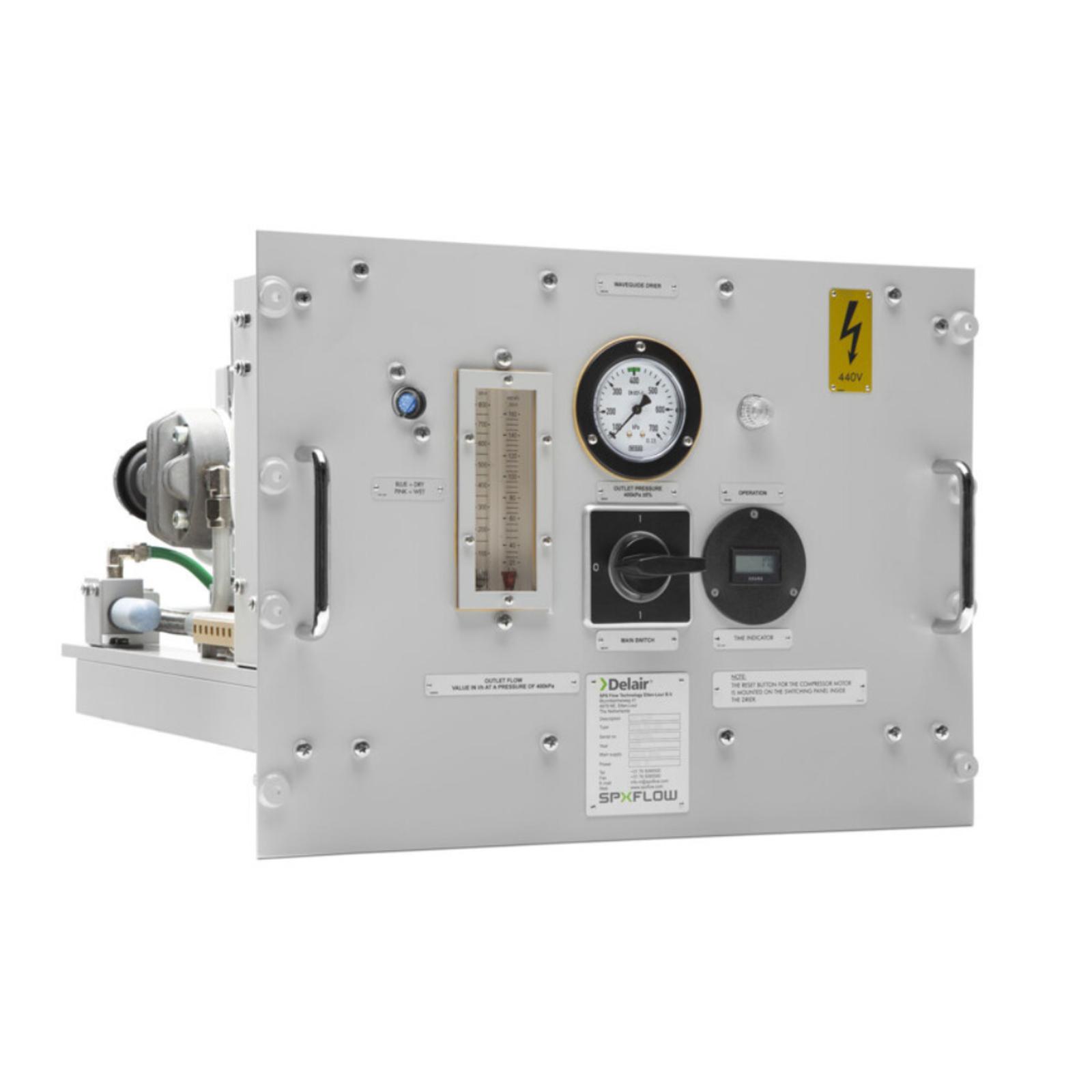
The Delair GD‑1101‑19‑SNMP waveguide dryer is designed to supply controlled dry air for the protection of networks, cables, waveguides, and signal transmission systems. Moisture ingress in these systems can lead to corrosion, signal attenuation, and long‑term reliability issues. The GD‑1101‑19‑SNMP addresses these risks by delivering a continuous flow of dry air in a compact and energy‑efficient design. Engineered for telecommunications, broadcast, commercial, and military environments, the unit combines reliable dehydration performance with modern communication capabilities for remote monitoring and system integration.

Moisture Protection for Signal Infrastructure

Cables, waveguides, and signal paths are highly sensitive to humidity. Even small amounts of moisture can degrade signal quality and accelerate material degradation. The GD‑1101‑19‑SNMP is designed to maintain dry internal conditions, reducing the risk of condensation and ensuring stable signal transmission over time. By providing accurate humidity control, the waveguide dryer helps preserve infrastructure integrity and reduce maintenance requirements across critical network installations.
Dehydration Performance and Capacity

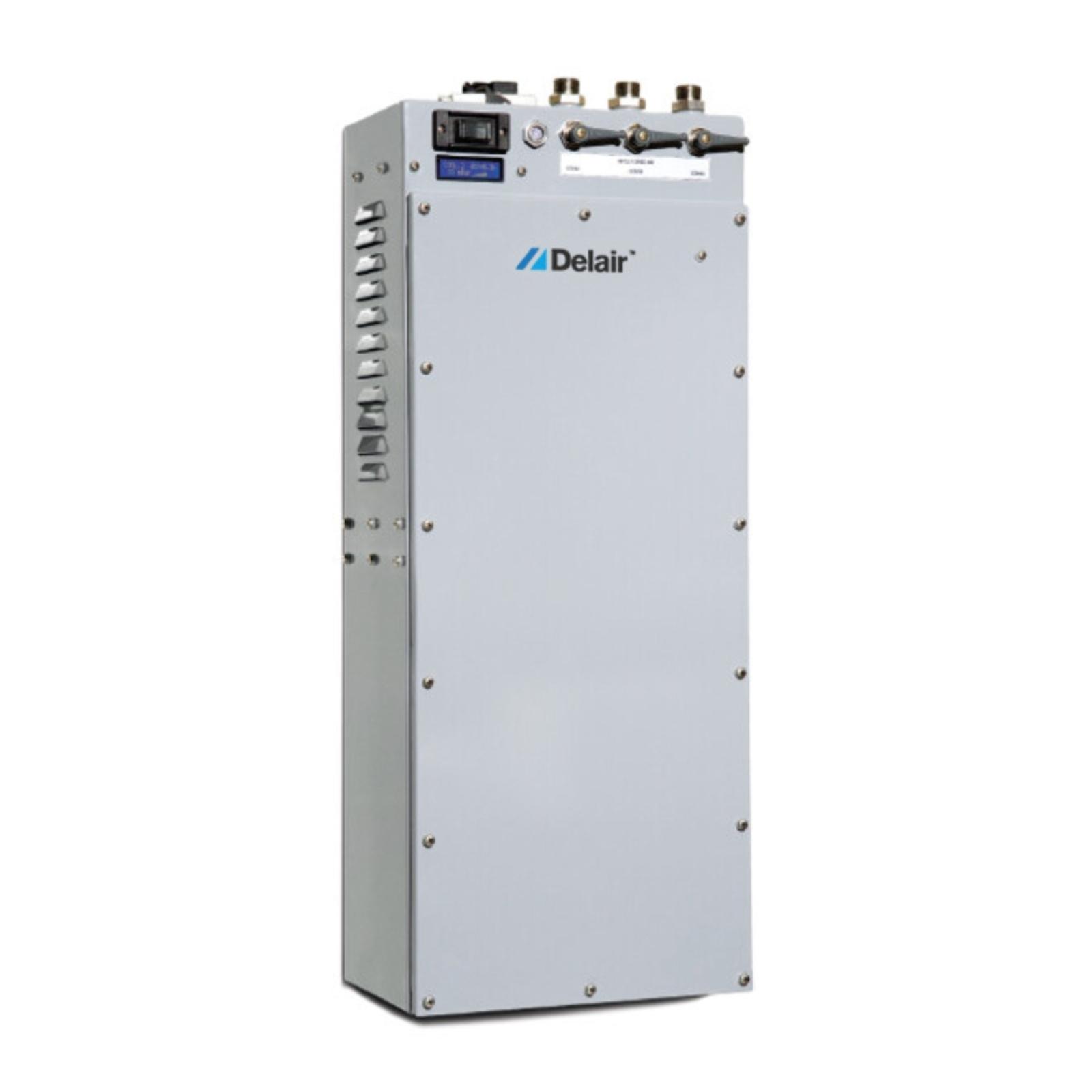
The GD‑1101‑19‑SNMP delivers a dry air capacity greater than 1,000 l/h, making it suitable for a wide range of small to medium signal protection applications. Its dehydration capability supports continuous operation, ensuring that protected systems remain dry even under varying environmental conditions. The compact construction allows installation in space‑restricted environments while maintaining consistent drying performance.

Compact Design and Operational Efficiency

Designed with a compact footprint, the GD‑1101‑19‑SNMP is easy to integrate into existing installations. Low noise and low vibration characteristics make it suitable for indoor technical rooms and sensitive environments. At the same time, low energy consumption supports efficient long‑term operation. Mounting brackets are included, simplifying installation and ensuring secure positioning in a variety of setups.

Communication and Monitoring via SNMP

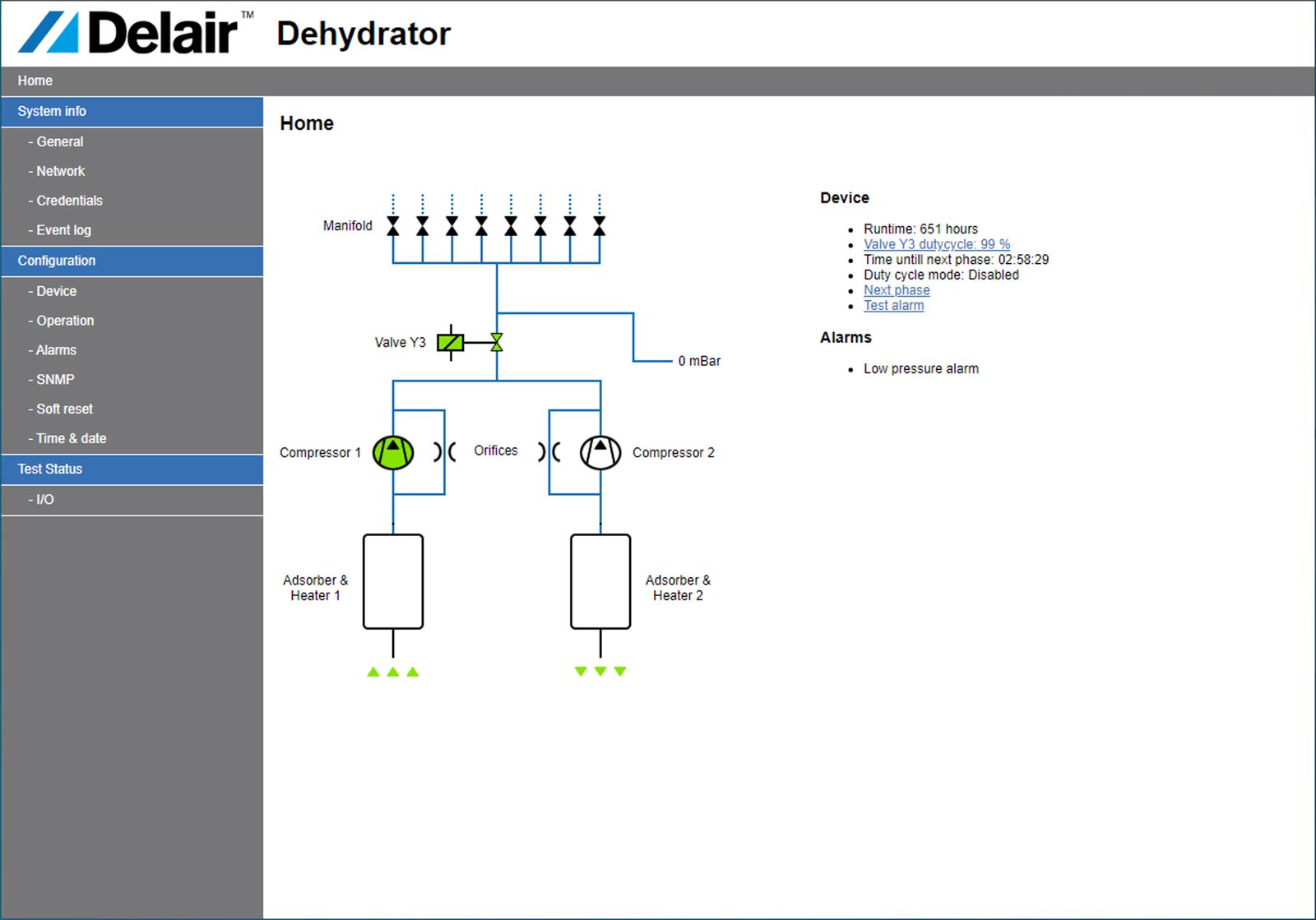
The GD‑1101‑19‑SNMP features internet communication and a web interface, enabling remote access and monitoring. SNMP functionality allows integration into network management systems, supporting centralized supervision of dehydration performance and operational status. This connectivity enhances system visibility and supports proactive maintenance strategies in modern network infrastructures.

Humidity the critical issue
Waveguides and cables are theoretically airtight; however practice shows humidity leakage problems often occur relatively shortly after installation. Temperature fluctuations and wind speeds causes pressure differences between the inside and outside of the system allowing moist ambient air to infiltrate the system.

In addition, antenna windows and connection points are not completely impervious to moisture as water vapor can diffuse through these areas.

Delair® dehydrators guarantee optimum removal of water vapor. This results in a reduced risk of corrosion and arcing and keeps the transmission performance at maximum efficiency. The benefit: low maintenance costs with optimum services to customers.

Key Features

  • Easy to install and service
  • Simple to operate
  • Low noise and vibration
  • High reliability
  • Safe
  • Low power consumption and high efficiency
  • Product type: Dry air dehydrator
  • Model: GD‑1101‑19‑SNMP
  • Dry air capacity: > 1,000 l/h
  • Noise level: Low (application‑optimized)
  • Vibration level: Low
  • Energy consumption: Low
  • Communication: Internet / web interface
  • Network protocol: SNMP
  • Installation: Wall or frame mounting (brackets included)
  • Application scope: Networks, cables, waveguides, signal systems

FAQs

The GD‑1101‑19‑SNMP is used to protect networks, cables, and signal transmission systems by supplying dry air. By reducing internal humidity, it helps prevent corrosion, condensation, and signal degradation, supporting reliable long‑term operation of critical infrastructure.